Source daily shopping jute tote bag for Garment, Cosmetic, and Gift
Compare 30 verified options for the daily shopping jute tote bag, featuring customizable sizes, eco-friendly materials, and logo printing. Buyers can evaluate specifications like weight, handle type, and lead times from manufacturers in Longgang, China; compare the available evidence and request quotations based on your requirements.
Key considerations
Products List




Comprehensive Sourcing Guide
Daily Shopping Jute Tote Bag Sourcing Guide
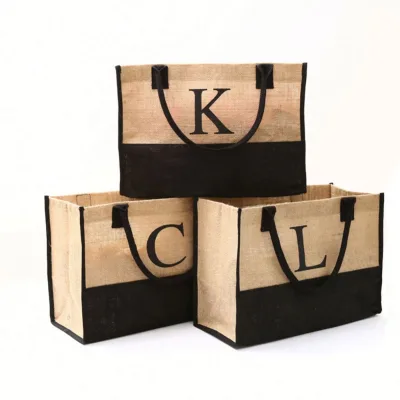
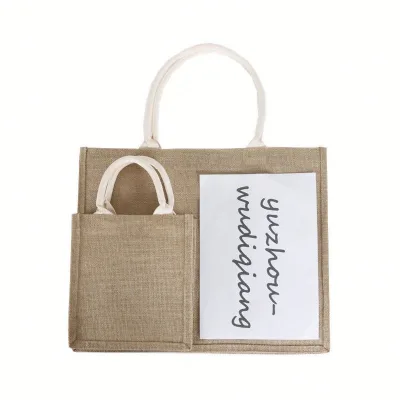
Sourcing daily shopping jute tote bags requires a clear understanding of the material’s natural variability and the specific customization options available to brands. The core product is typically constructed from jute, canvas, or jute non-woven fabric, offering an eco-friendly and reusable alternative to plastic packaging. Buyers must recognize that these bags are designed for leisure and promotional use, often featuring handles made from cotton or PP webbing to ensure durability during daily transport. The aesthetic is generally categorized as leisure or European style, appealing to consumers who prioritize sustainability and aesthetic simplicity in their shopping habits.
Procurement teams should verify that the supplier offers extensive customization capabilities, including logo printing and color matching according to customer requirements. The product is often marketed with features such as being recycled, eco-friendly, and reusable, which are critical selling points for modern retail brands. However, buyers must distinguish between observed listing signals and guaranteed specifications, as attributes like size, shape, and weight can vary significantly between different product models. Understanding these nuances is essential for aligning the final product with brand identity and functional requirements for daily use.
Product Scope and Observed Listing Signals
The observed market signals indicate a wide range of product models, such as JT-LYYD-141, JT-LYYD-164, and MBD series variants, suggesting a diverse catalog of tote bag designs. Prices observed in listings range from 0.4 to 3.1 USD, reflecting variations in material quality, handle type, and printing complexity. Minimum Order Quantities (MOQ) typically start at 100 units, with some suppliers requiring up to 1000 pieces, which impacts initial inventory planning and cash flow for new buyers. These signals help buyers gauge market entry barriers and identify suppliers who can accommodate smaller test orders versus those requiring larger volume commitments.
Applications for these bags span multiple sectors, including garment and shoe packaging, cosmetics, jewelry, gifts, and arts and crafts. Some listings also mention usage for greeting cards, toys, drinks, and food, indicating versatility in promotional and retail contexts. The bags are often described as large and square, with dimensions customizable to specific requirements. Buyers should note that while many listings highlight eco-friendly features, the actual material composition, such as the presence of polyester lining or specific GSM weights, varies by model and must be confirmed through direct supplier communication to ensure suitability for the intended application.
Technical Specifications to Verify
Technical verification begins with confirming the material composition, which may include jute, canvas, or jute non-woven fabric, often combined with polyester lining for added structure or durability. Buyers must specify the desired weight range, which can vary from 9 to 220 GSM, affecting the bag’s stiffness and load-bearing capacity. The width of the fabric is typically standardized at 55/56 inches, but the final bag dimensions should be defined as per customer requirements to ensure they meet specific product packaging needs. Additionally, the handle type, whether cotton or PP webbing, should be selected based on comfort and strength requirements for daily carrying.
Print quality and color fastness are critical technical aspects that require explicit agreement with the supplier. Buyers should verify that the printing logo is customized and that the color fastness meets at least 3.5 levels to prevent fading during use or washing. The hardness of the material is often described as medium soft, which influences the bag’s drape and feel. Furthermore, the waterproof status is typically non-waterproof, meaning buyers must assess whether this limitation aligns with their product’s storage and usage conditions. Confirming these details prevents discrepancies between sample and bulk production, ensuring the final product meets functional expectations.
Compliance and Safety Documentation
Compliance documentation is vital for selling jute tote bags in regulated markets, particularly when they are used for food, cosmetics, or children’s products. Buyers should request evidence of factory audits such as ISO9001, GRS, BSCI, Sedex, Tesco, and M&S, which demonstrate adherence to social and environmental standards. Quality standards available may include REACH, EN71, CPSIA, Prop65, ASTM-F963, and LFGB, depending on the target market and product application. These certifications ensure that the materials and manufacturing processes meet legal requirements for chemical safety and social responsibility, reducing liability risks for the buyer.
It is important to distinguish between high-confidence facts and low-confidence background information regarding certifications. While GOTS and FSC are mentioned in some contexts, buyers must verify if these specific certifications apply to their chosen product model and material composition. Suppliers should provide test reports from accredited laboratories to confirm compliance with relevant standards. Buyers should also check if the supplier has experience with specific retailer audits, such as Tesco or M&S, which may have additional requirements beyond general industry standards. Ensuring comprehensive documentation is in place before production begins is crucial for smooth customs clearance and market entry.
Cost Drivers and Commercial Terms
Cost drivers for jute tote bags include material selection, customization complexity, and order volume. The base price range of 0.4 to 3.1 USD reflects differences in fabric type, handle material, and printing methods. Buyers should consider that higher GSM weights or specialized finishes may increase costs, while larger order volumes can help negotiate better unit prices. Payment terms typically require a 30% deposit before production and 70% before shipment, which is standard in the industry but requires careful cash flow management. Understanding these financial structures helps buyers budget accurately and avoid unexpected expenses during the procurement process.
Lead times and packaging details also impact the total cost of ownership. Production lead times generally range from 25 to 30 days, with sample times taking 4 to 8 days. Buyers must account for these timelines in their supply chain planning to avoid stockouts. Packaging is usually standardized at 100 pieces per carton, though custom packaging options may be available. Export ports are typically Shanghai or Ningbo, which influences shipping costs and logistics arrangements. Buyers should clarify all commercial terms, including packaging specifications and shipping responsibilities, to ensure a transparent and predictable procurement experience.
Supplier Qualification and Quality Control
Supplier qualification involves verifying the manufacturer’s capabilities and quality control processes. Buyers should assess the supplier’s ability to handle large orders, with some requiring MOQs of 1000 pieces, and their capacity to meet lead times of 40-55 days for complex orders. Quality control should include checks on material consistency, stitching strength, and print accuracy. Buyers must ensure that the supplier can produce bags with a bearing capacity of up to 15kgs, as specified in some product descriptions, to guarantee durability during daily use. Regular communication and clear specification sheets are essential to maintain quality standards throughout production.
Sampling is a critical step in the qualification process, allowing buyers to verify design, material, and functionality before committing to bulk orders. Buyers should request samples to test the bag’s handle strength, color fastness, and overall aesthetic appeal. It is important to confirm that the sample matches the final product in terms of material and construction. Suppliers should provide detailed information on their quality control procedures, including inspection points and defect rates. Establishing a strong relationship with a qualified supplier ensures consistent quality and reliable delivery, which is crucial for maintaining brand reputation in the competitive daily shopping market.
Long-Term Procurement Checks
Long-term procurement success depends on continuous monitoring of supplier performance and market trends. Buyers should regularly review supplier compliance with agreed-upon standards, including social and environmental certifications, to mitigate risks associated with supply chain disruptions. Tracking changes in material costs and lead times helps buyers anticipate price fluctuations and adjust their sourcing strategies accordingly. Maintaining open communication with suppliers ensures that any issues are addressed promptly, fostering a collaborative partnership that supports long-term growth and stability in the procurement process.
Additionally, buyers should stay informed about evolving consumer preferences and regulatory requirements in the jute bag market. As sustainability becomes increasingly important, buyers may need to explore new materials or production methods to meet changing demands. Regularly updating product specifications and exploring new supplier options can help buyers remain competitive and responsive to market shifts. By implementing robust long-term procurement checks, buyers can ensure a resilient and efficient supply chain that supports their brand’s commitment to quality and sustainability in the daily shopping sector.
FAQs
What customization options are available for the jute bag?
Customization is available for logo printing, color, and dimensions according to customer requirements. You can specify the size, choose from cotton or PP webbing handles, and request eco-friendly features. The product supports various usage scenarios including garment, cosmetic, and gift packaging needs.
How long does it take to receive samples?
Sample time ranges from 4 to 8 days for production. This duration allows for the creation of customized prototypes with specific logos or dimensions. Buyers should plan their timeline accordingly before proceeding to full-scale production orders.
What is the minimum order quantity for these bags?
The minimum order quantity is 1000 pieces for standard orders. Some listings indicate a range starting from 100 pieces, but the confirmed high-confidence fact sets the MOQ at 1000 PCS. This ensures efficient production runs for bulk buyers.
Can the bags be customized with specific dimensions?
Yes, dimensions are available as your requirement to fit specific needs. The product supports custom sizing while maintaining the square shape and large size category. This flexibility allows for tailored packaging solutions for various industries like jewelry or arts and crafts.
What payment terms are required for production?
Payment terms require 30% before production and 70% before shipment. This standard structure ensures security for both parties during the manufacturing process. Buyers must arrange these transfers to initiate the lead time of 25 to 30 days.
Which certifications are available for the factory?
Factory audits include ISO9001, GRS, BSCI, Sedex, Tesco, and M&S standards. Quality standards available also cover Reach, En71, and Cpsia compliance. These certifications ensure the products meet international safety and ethical sourcing requirements for global markets.
What is the lead time for bulk orders?
The lead time for bulk orders is 25 to 30 days. Some product models indicate a broader range of 40 to 55 days depending on complexity. This timeframe covers production and preparation for shipment from the Longgang, China origin.